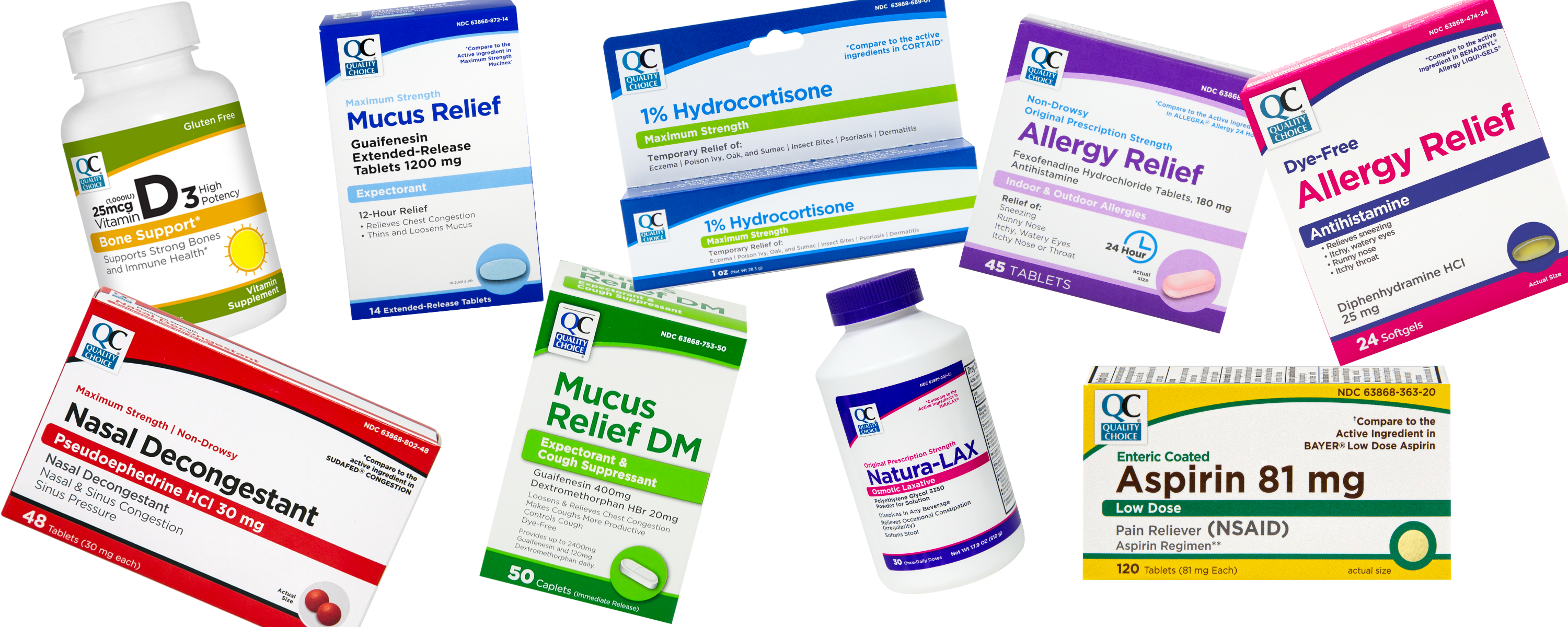
There are many medications available over-the-counter (“OTC”), and it can be overwhelming to decide which product is best for you, especially when you aren't feeling the greatest.
With flu season quickly approaching, now is the time to be proactive about our health. However, before we can take the appropriate steps, we must first answer questions about influenza, myths and misconceptions, and how we can prevent the spread of it.
The sun is shining! The weather is warming up! Vaccinations are allowing people to get out and about! It’s time to enjoy the great outdoors! That means it’s time to talk about sun safety.
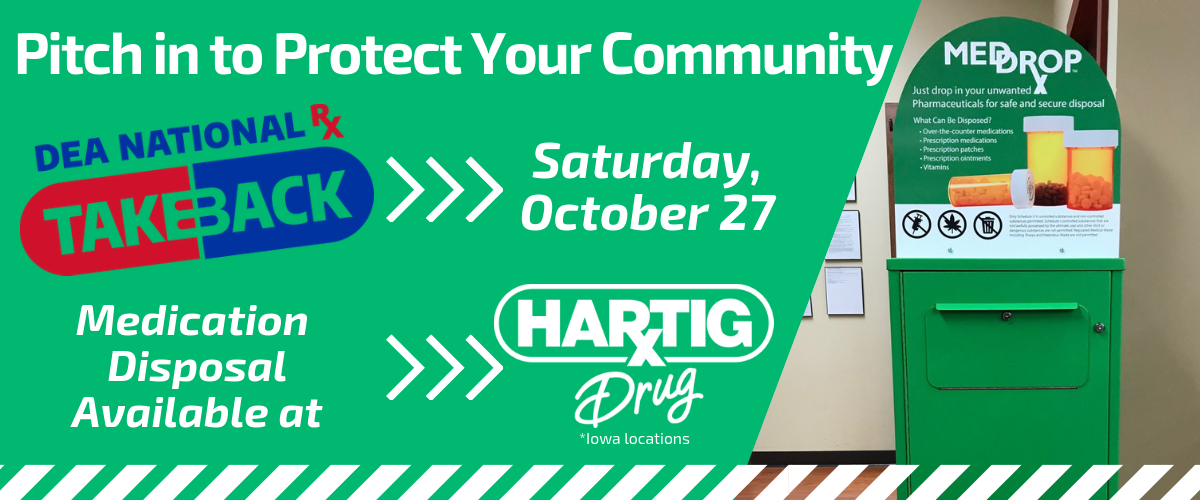
Is your medicine cabinet full of expired or old prescription medications you no longer use? Your medicine is for you. What’s safe for you might be harmful to someone else.
The range of health problems that can be treated with nonprescription medications is large, and it continues to grow. There are thousands of various over-the-counter (OTC) drugs, which you can buy without a prescription.
There is no shortage of common misconceptions when it comes to treating or preventing the common cold. We’ve all heard plenty of old wives’ tales or maybe it was some new information you came across in a Facebook post, let’s set the record straight.
Managing medications can be difficult, especially for those who take multiple medications daily. Studies show that 50% of people over the age of 65 take four or more chronic medications. Poor understanding of medication regimens can lead to missed doses, duplicate therapy, adverse reactions, in
Believe it or not, the flu season is already upon us. Seasonal influenza, commonly known as the flu, is a highly-contagious respiratory infection with mild to severe symptoms, such as muscle aches, fever, chills, etc.